
Last updated November 21, 2026
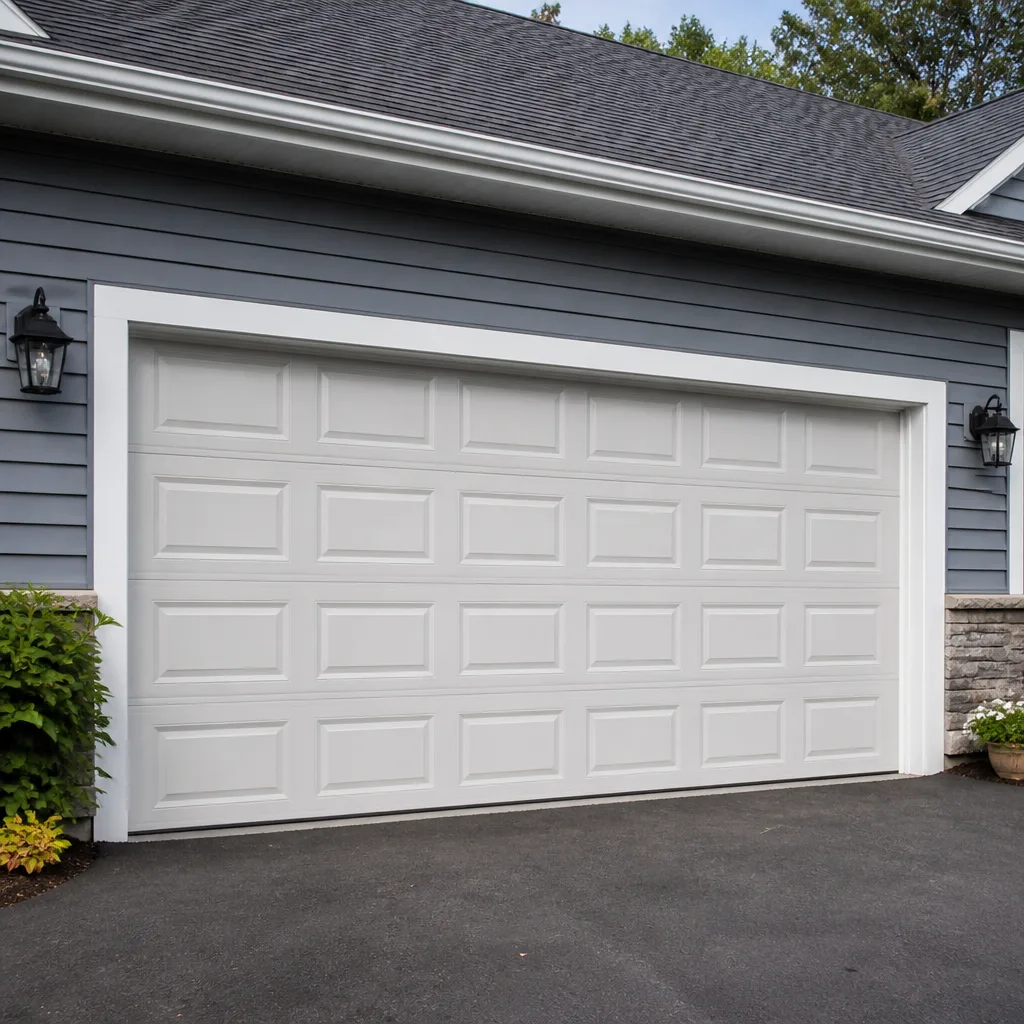 Raised-panel steel
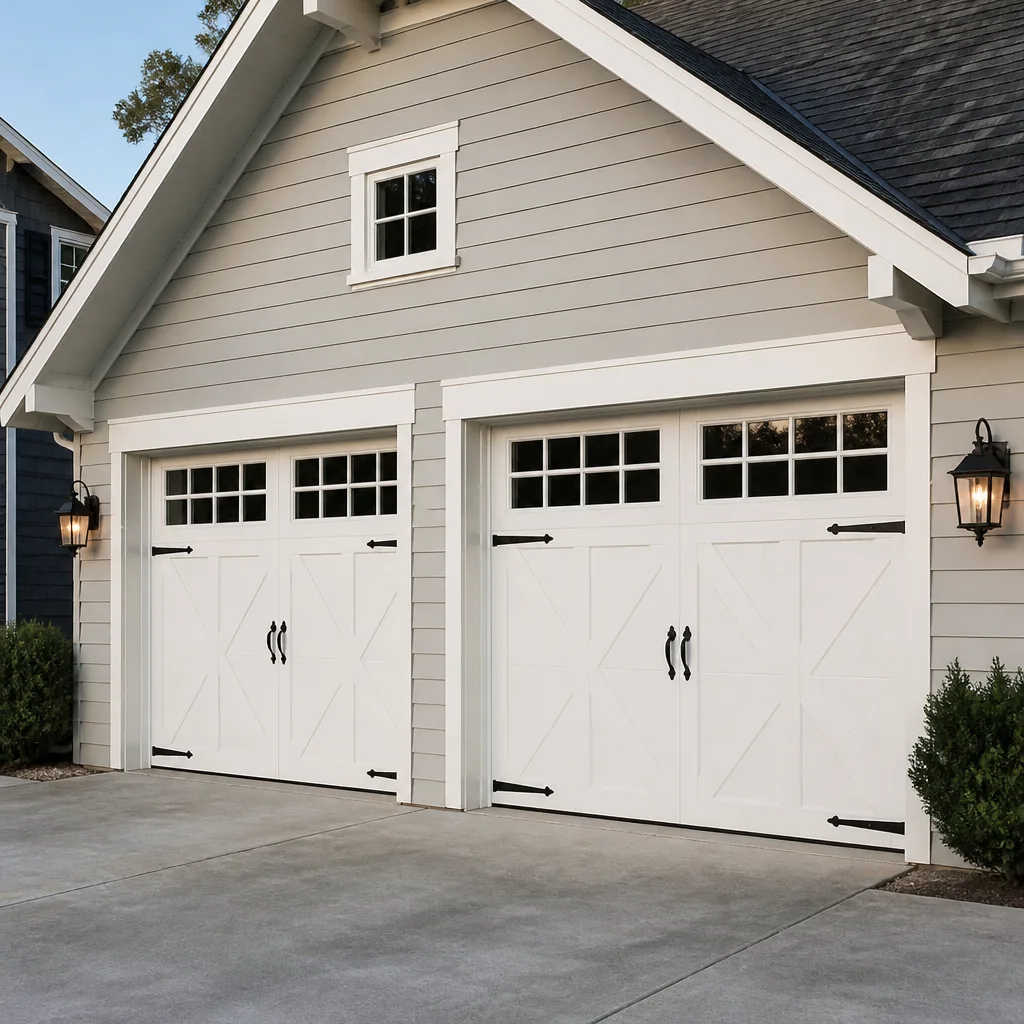 Carriage house
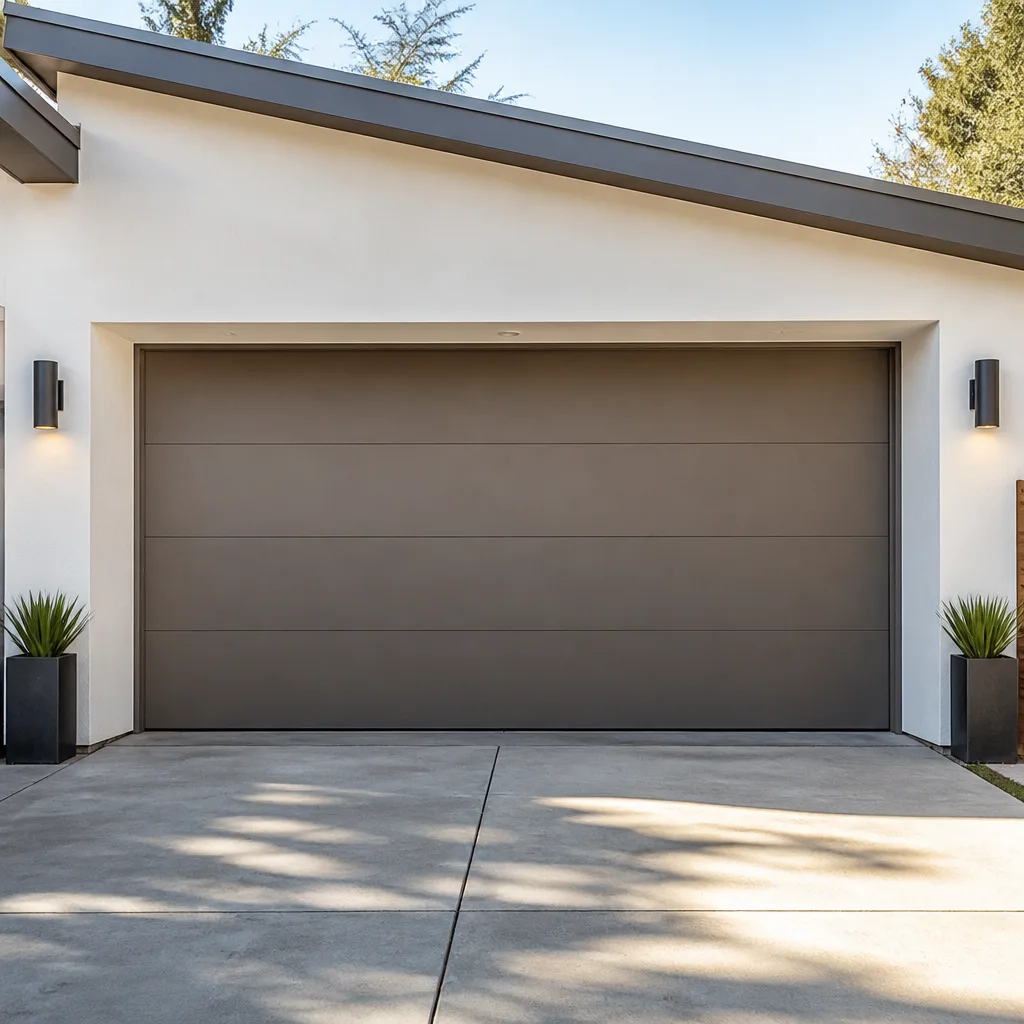 Modern flush
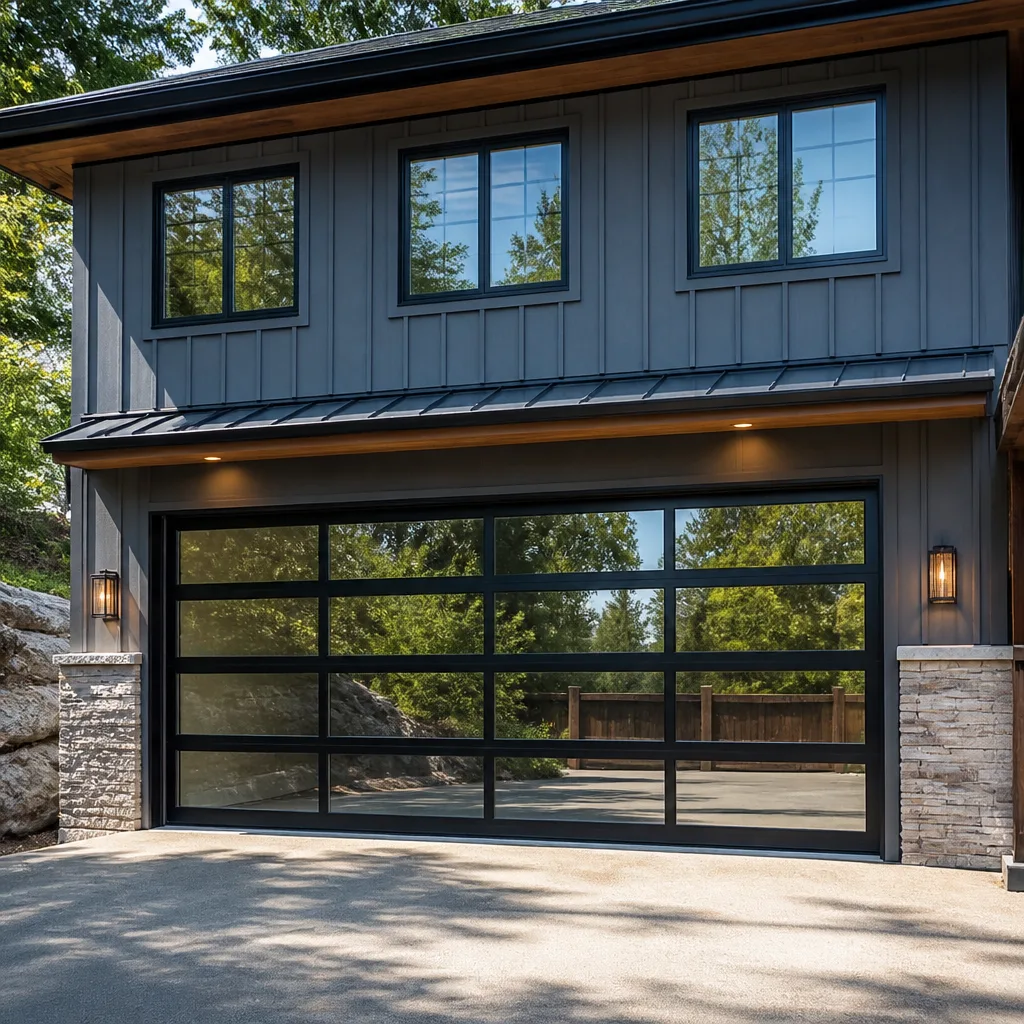 Full-view glass
 LiftMaster openers
 Chamberlain openers
Full 25-point door and opener safety check with every visit - springs, cables, rollers, tracks, and your LiftMaster or Chamberlain opener included
You get a price before we start. It does not change when the pro arrives.
Get your free estimateSeasonal Garage Door Care for Wilmington: Year-Round Homeowner’s Guide
Most garage door advice follows the calendar: winterize in fall, tune up in spring. That advice misses what actually breaks doors in Wilmington. The heaviest stress on springs, cables, hinges and weatherstripping lands in October and March, when daily temperature swings are widest and hardware gets pushed and pulled in both directions within the same week. January is cold, but it’s steady cold. It’s the shoulder seasons that do the quiet damage. This guide walks through what to check and when, month by month, keyed to how Wilmington weather actually behaves, so you can catch the small failures that turn into snapped springs and sagging doors.
Quick Answer
Seasonal garage door care in Wilmington comes down to three checkpoints: a hardware and weatherstripping inspection in October before the first freeze, a spring and balance check in March after the last hard frost, and a professional tune-up once a year that catches what your own seasonal walk-through can’t. The tasks themselves are simple. The timing is what most homeowners get wrong, and timing is what protects the door from Wilmington’s freeze-thaw swings and summer humidity.
Styles & brands we work with
- Raised-panel steel
- Carriage house
- Modern flush
- Full-view glass
- LiftMaster openers
- Chamberlain openers
Table of Contents
- Why October Is Wilmington’s Most Important Garage Door Month
- The March Check: What a Hard Frost Sequence Does to Torsion Springs
- Freeze-Thaw Cycles and Your Door’s Hardware
- How Wilmington’s Summer Humidity Attacks Wood Doors, Seals and Openers
- Weatherstripping Timing Keyed to Delaware’s Real First Freeze
- A Month-by-Month Wilmington Garage Door Calendar
- DIY Seasonal Checks vs. One Annual Professional Inspection
- Neighborhood Notes: What We See Across Wilmington
Why October Is Wilmington’s Most Important Garage Door Month
October is when Wilmington garage doors get their first real test of the year. Days still reach the 60s, nights drop into the 40s, and the door cycles through a wider temperature range in 24 hours than it will at any other point except March. Metal expands and contracts, springs load and unload, and weatherstripping that felt pliable in September starts to stiffen. Every one of those movements is small. Together they’re what loosens a hinge screw, hardens a bottom seal, or pushes a tired torsion spring closer to failure.
What you’re trying to do in October is catch the small stuff before the cold locks it in place. That means:
- Tighten every hinge and bracket bolt. Vibration from months of cycling plus the first big temperature swings works fasteners loose. A loose hinge puts uneven load on the panel it’s attached to.
- Check the bottom seal for cracks and flat spots. A stiff, cracked seal lets cold air and moisture under the door and stresses the bottom panel.
- Listen to the door. Grinding, squealing or a heavy thunk at the start or end of travel are early warnings. Lubricate the rollers, hinges and springs with a garage-door-specific lubricant, not WD-40.
- Test the balance. Disconnect the opener, lift the door halfway, and let go. A balanced door stays put. One that drifts down has a spring that’s already weakened.
- Check the safety reverse. Put a block of wood under the door and close it. The door should reverse on contact. Do the same with the photo-eye test.
- Look at the opener’s force settings and travel limits. If the door has to push harder than it used to, the opener is compensating for a mechanical problem. That’s a sign to look at the door, not turn up the force.
None of these take more than an hour. If something’s already failing, this is the moment to schedule garage door repair before the cold sets in and small repairs get urgent.
The March Check: What a Hard Frost Sequence Does to Torsion Springs
Torsion springs carry the weight of the door. They’re under constant tension, and they cycle every time the door opens or closes. Wilmington’s late-winter pattern, where a stretch of nights below freezing is followed by days in the 50s, does something specific to those springs. The metal contracts in the cold and relaxes in the warmth, over and over, and the spring never gets a chance to settle. That’s why a spring that felt fine in December can snap in March without any warning sound.
What to check after a hard freeze sequence:
- Open the door by hand once. Disconnect the opener and lift the door yourself. It should feel light and steady. A door that feels heavier than it did in the fall means the spring has lost tension.
- Look at the spring coil. A visible gap in the coil, a spring that’s hanging loose, or a spring with rust streaks along the wire is a spring that’s on its way out. Do not try to adjust, wind or unwind it yourself. Torsion springs are under enough tension to cause serious injury, and this is not a job for a homeowner with a pair of winding bars from a video.
- Check the cables. Look for fraying, kinks or slack. Cables and springs work as a system. If one is failing, the other is stressed.
- Test the door’s balance and travel. A door that slams at the bottom, drifts open on its own, or stops halfway is showing you a spring or cable problem.
- Walk the perimeter. Frost heave can shift the concrete and the door’s tracks. Check that the door runs smoothly in the tracks and that the tracks aren’t bent or out of plumb.
If the spring has already failed, this is the repair that should not wait. Call garage door spring repair the same day. A door with a broken spring is a door you shouldn’t force open by hand, and it’s a security gap on the house. Our technicians have up to 8 years of experience with exactly this repair.
Freeze-Thaw Cycles and Your Door’s Hardware
Freeze-thaw is the phrase for what happens when water gets into a small gap, freezes overnight, expands, and then thaws the next day. In Wilmington this happens repeatedly through late fall and early spring, and a garage door has plenty of small gaps for water to work into: hinge pin holes, roller stems, track brackets, the seam between panels. Each freeze pushes the metal slightly apart. Each thaw lets it settle back, but not quite all the way. Over a season, that adds up to loose fasteners, misaligned tracks and a door that runs rougher than it did the year before.
What to watch for after a stretch of freezing nights:
- Doors that bind in the tracks. A door that used to run quietly and now scrapes on one side is usually a track that’s been pushed slightly out of line.
- Hinges that squeak or groan. Lubrication helps, but if the noise comes back within a week, the hinge or the panel is stressed.
- Rollers that jump or rattle. A roller that’s worn or has a flat spot will get worse in cold weather when the lubricant thickens.
- Doors that don’t close flush. A gap at the bottom after a freeze is often the weatherstripping, sometimes the panel, occasionally the track.
What you can do yourself is limit the moisture: clear leaves and debris from the door’s base, make sure the ground slopes away from the threshold, and keep the bottom seal intact so water doesn’t wick under the door. What you shouldn’t do is try to bend tracks back into place or force a binding door. Track alignment is a measurement job, and a bent track can be straightened only so many times before it needs replacing.
How Wilmington’s Summer Humidity Attacks Wood Doors, Seals and Openers
Summer is the season most homeowners ignore their garage door, and in Wilmington that’s a mistake. The humidity here is high enough through July and August that wood doors swell, weatherstripping softens and stretches, and opener electronics deal with condensation they don’t see in drier climates. Each of these is a quiet problem that shows up months later, usually in October, when the door has already been compromised.
Wood doors are the biggest concern. A solid wood or wood-composite door will absorb moisture through the summer, and the panels will swell slightly. That’s normal in small amounts, but a door that’s swelling against its frame or binding in the tracks is a door that needs attention. Check the bottom edge of the panels for soft spots or bubbling paint, which point to moisture getting in. Keep the door painted or sealed on all six sides where you can reach them, because a wood door is only as waterproof as its weakest finish.
Bottom seals take a beating in summer too. The rubber or vinyl softens in the heat and can stretch or tear. Run your hand along the bottom seal in July and look for sections that are loose, torn or pulled away from the retainer. A seal that’s already failing in July will be worse in October.
Opener electronics are worth a mention because they fail in ways that look mysterious. Condensation on the circuit board can cause the opener to behave erratically: lights that flicker, remotes that work some days and not others, a door that reverses for no obvious reason. Before you assume the opener is dead, check that the outlet and wiring are dry and that the opener housing isn’t showing signs of moisture. If the opener is a Chamberlain, Genie, LiftMaster or Craftsman unit that’s more than a few years old, the fix is often a board or a logic issue rather than a full replacement. That’s a call for garage door opener repair, not a new opener by default.
Weatherstripping Timing Keyed to Delaware’s Real First Freeze
The generic advice is to replace weatherstripping “in the fall.” That’s too vague to be useful. What actually matters is getting new seals on the door before the first hard freeze, because once the temperature drops, the adhesive and the rubber don’t set properly, and a seal installed in freezing weather won’t last. In Wilmington, the first freeze of the season typically arrives in late October or early November. That means the practical window for weatherstripping replacement is the last two weeks of September through mid-October.
What to replace, and when:
- Bottom seal (the vinyl or rubber flap along the floor). Replace before the first freeze. This is the seal that keeps cold air, moisture and pests out, and it takes the most wear.
- Side and top seals (the trim around the door frame). These are less urgent but should be checked at the same time. Cracked or missing side seals let drafts in around the door’s edges.
- Threshold seal (the raised strip on the floor, if you have one). If the floor is uneven or the bottom seal has flattened, a threshold seal can close a gap that a new bottom seal alone won’t.
A stiff or cracked seal isn’t just an energy issue. It lets moisture reach the bottom panel, and it lets a door close unevenly against the frame, which puts extra load on the springs. If your seal is more than a few years old, October is the moment to replace it, not the week after the first freeze.
A Month-by-Month Wilmington Garage Door Calendar
Here’s the rhythm we recommend for a Wilmington door, written to be easy to keep. Each item is a seasonal check, not a full service. The once-a-year professional tune-up is separate and covered in the next section.
- September: Replace weatherstripping if it’s worn. Check the bottom seal. Test the safety reverse on the opener.
- October: Tighten hinges and brackets. Lubricate rollers, hinges and springs. Test the balance of the door. Schedule the annual professional inspection if you haven’t done it this year.
- November: Walk the perimeter after the first hard freeze. Check that the door still closes flush and doesn’t bind.
- December through February: Listen to the door. Note any change in sound, speed or travel. Do a visual check of the springs after any hard cold snap. If something fails, don’t force the door.
- March: Do the post-frost spring, cable and balance check. Open the door by hand once and feel the weight. If the door feels heavy, call for a spring inspection.
- April: Check the tracks for alignment after the freeze season. Clean and lubricate the moving parts again.
- May through August: Look at wood panels for swelling, bubbling or soft spots. Check the bottom seal for heat damage. Keep an eye on the opener’s behavior in humid weather.
This calendar isn’t a substitute for a professional inspection, but it does catch most of what fails between visits. If you want a simpler version: October for the hardware, March for the springs, and one professional tune-up a year for the rest.
DIY Seasonal Checks vs. One Annual Professional Inspection
Both matter, and they catch different things. A homeowner can do most of the October and March checks above with a wrench, a lubricant and a few minutes. What a homeowner can’t safely do is inspect a torsion spring under load, adjust a cable, or measure whether the door is balanced across its full travel. That’s the annual professional inspection’s job.
What DIY seasonal checks catch:
- Loose hinges, bolts and brackets, before they become panel damage.
- Worn or cracked weatherstripping, before the first freeze locks in a draft.
- Bottom seal damage, before it lets moisture into the door.
- Opener behavior changes, like a door that reverses unexpectedly or a remote that’s flaky.
- A door that’s getting harder to open by hand, which is an early sign of a failing spring.
What a professional inspection catches that you can’t:
- Spring tension and remaining life, measured under load.
- Cable wear at the drums that isn’t visible from outside.
- Track alignment and panel stress that only shows up when the door is run through a full cycle.
- Opener force settings that are compensating for a mechanical problem.
- Roller and bearing wear that’s still silent but heading toward failure.
One professional inspection a year, timed to October or early spring, covers the gaps. If your door is 5 years old or older and has never had one, this is the year. We work on all the major brands, including Amarr, Wayne Dalton, Craftsman and Raynor, so there’s no “we don’t service that brand” call to make.
Neighborhood Notes: What We See Across Wilmington
Wilmington’s housing stock varies a lot by neighborhood, and the seasonal care that matters most varies with it. In the older neighborhoods near the downtown and along the river, wood and wood-composite doors are common, and the summer humidity check matters most there. A wood door in a neighborhood with mature trees keeps more shade and moisture around it, so swelling and finish failure show up earlier. That means painting and sealing on a regular cycle, not just once.
In newer development areas around the city’s edges, the doors tend to be steel and the failure pattern is different. Steel doors are lower-maintenance through the summer, but they’re more sensitive to freeze-thaw because the panels don’t absorb moisture the way wood does. The metal expands and contracts against the hinges and tracks, and that’s where the October loosening shows up. If your door is insulated steel with a Wayne Dalton or Amarr panel, October is the month to walk the hinges.
In the neighborhoods with a lot of rental and multi-unit properties, the seasonal checks often get skipped between tenants, and that’s where a spring fails at the worst moment. A single annual inspection per property is the cheapest way to keep a multi-unit garage working. We treat a stuck or broken door as a safety and security issue, not just an inconvenience, and that goes double for a building where people are coming and going at all hours.
Common Mistakes to Avoid
- Following generic “fall prep” advice instead of a Wilmington calendar. Wilmington’s first freeze and its freeze-thaw swings don’t match the national advice. Keying your checks to October and March catches the real failure windows.
- Lubricating with the wrong product. WD-40 and general-purpose oils attract dust and thicken in cold weather. Use a garage-door-specific lubricant on the rollers, hinges and springs, and don’t lubricate the tracks themselves.
- Turning up the opener’s force setting to fix a sticking door. If the door needs more force, the door is the problem, not the opener. Raising the force just delays the repair and strains the opener.
- Trying to adjust or replace a torsion spring yourself. This is the most dangerous repair on a garage door. A torsion spring is under enough stored energy to cause serious injury, and a homeowner with a pair of winding bars is a homeowner who can get hurt. Leave it to a trained technician.
- Skipping the March spring check because the door “still works.” A weakened spring often works fine right up until it doesn’t. The March check is how you catch it before it snaps.
- Replacing weatherstripping in freezing weather. The adhesive and rubber don’t set in the cold, and the new seal fails early. Aim for late September or early October.
- Ignoring a slow or noisy door through the summer. Wilmington’s humidity hides opener and seal problems. A door that starts behaving strangely in July is telling you something that will show up in October.
See the difference
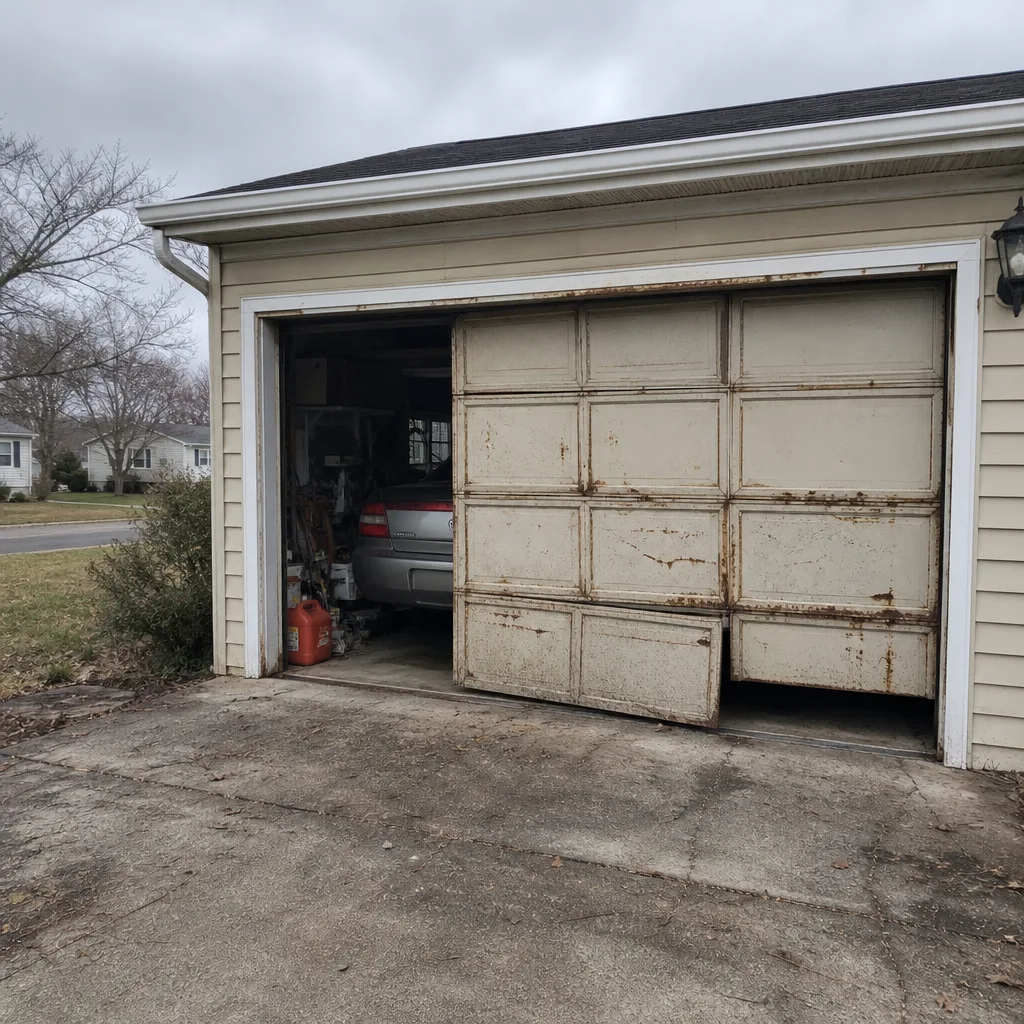 Before
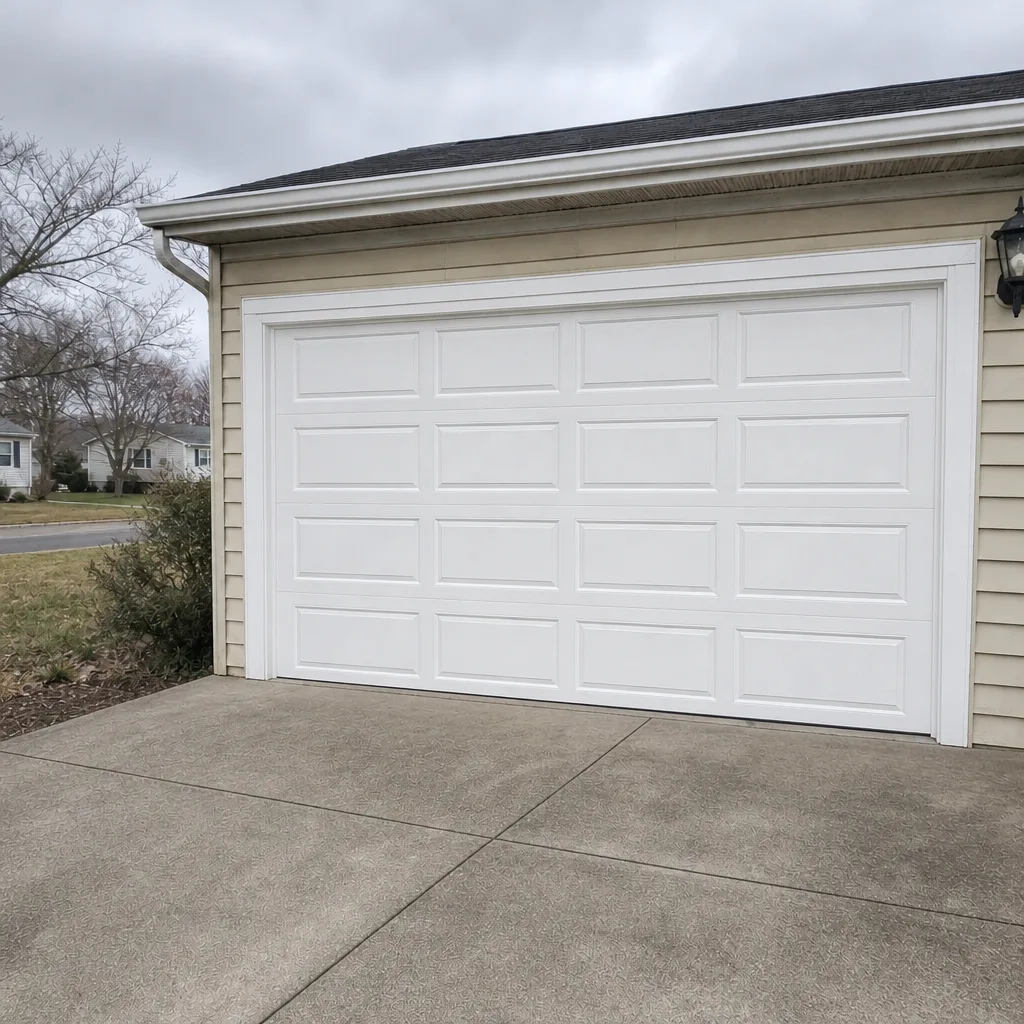 After
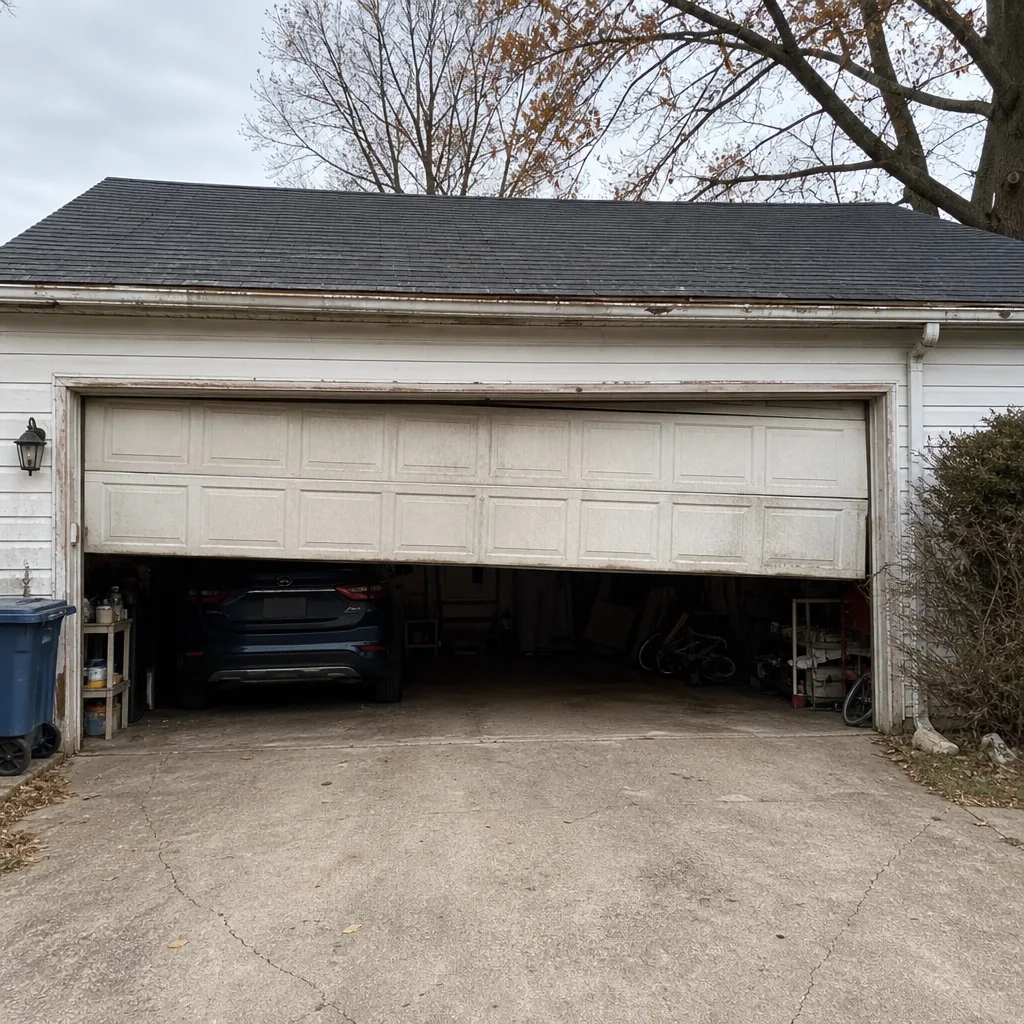 Before
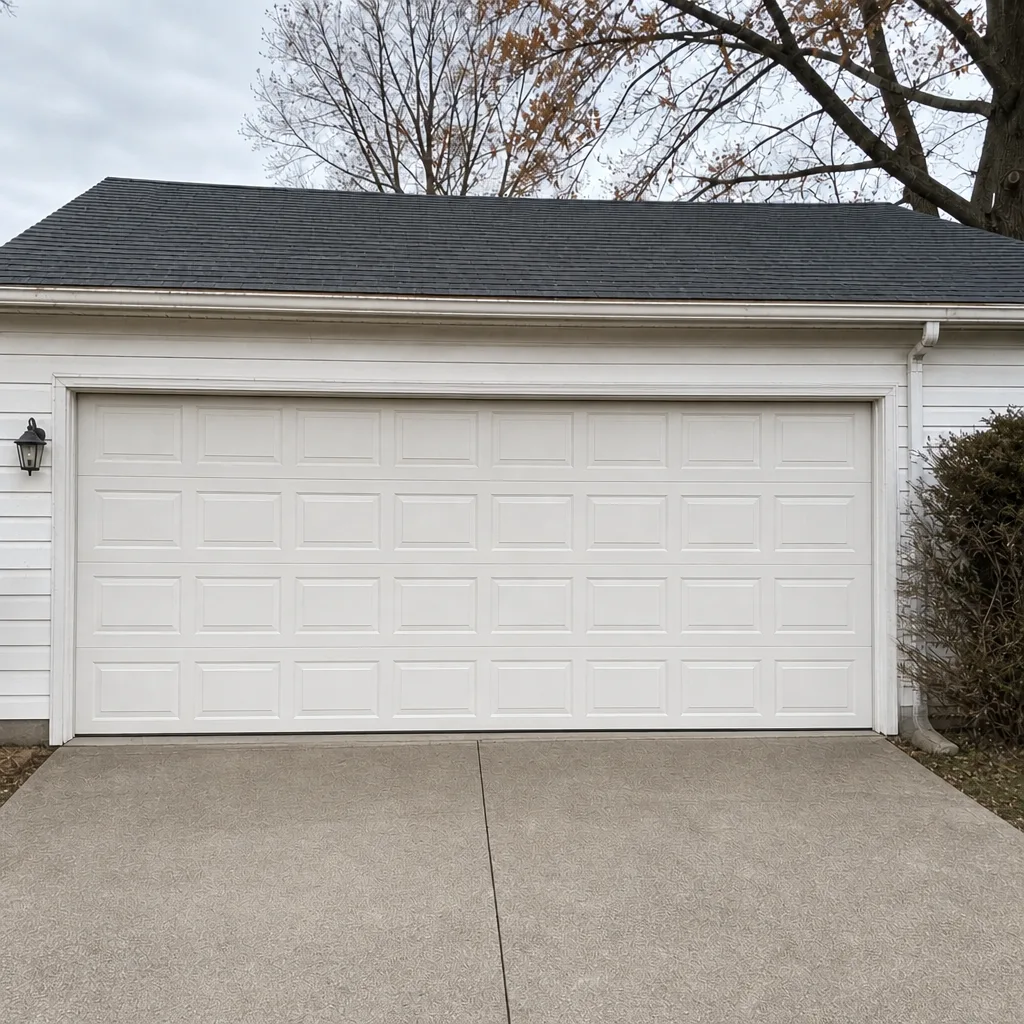 After
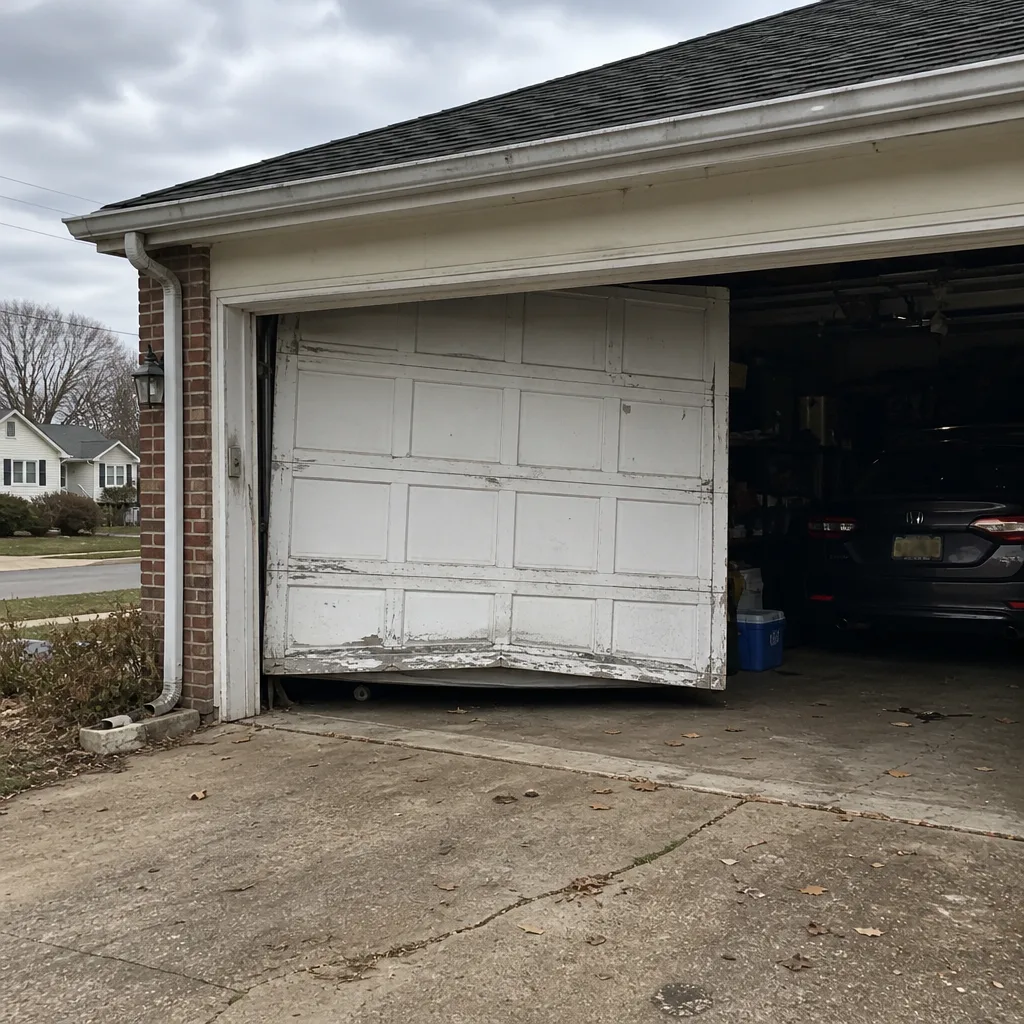 Before
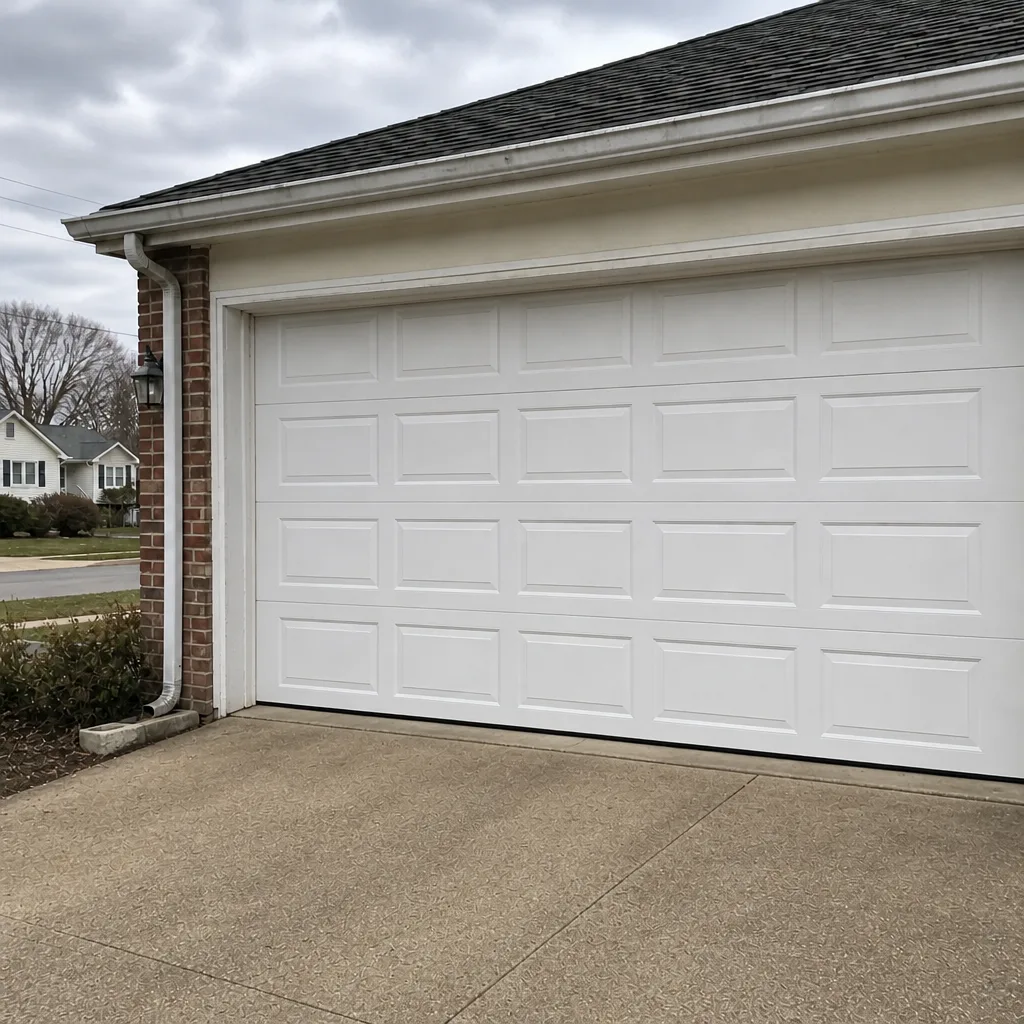 After
When to Call a Professional
Some seasonal care is yours to do. Some of it isn’t, and knowing the difference is what keeps the door working and you out of the emergency room. Call a professional if the spring looks broken or has lost tension, if the door won’t balance or hangs unevenly, if a cable is frayed or slack, if the door binds in the tracks after a freeze, if the opener has started reversing or running at the wrong speed, or if a door that used to be quiet has become noisy and heavy. Those are the signs that a small seasonal problem has become a repair.
Wilmington Garage Door Repair Co offers free estimates in Wilmington, and we work on springs, openers, panels and full replacements. Call (877) 780-7403. We answer 24/7. Fast dispatch from 7am to 7pm, Sunday through Friday.
Frequently Asked Questions
A seasonal inspection and tune-up is quoted per job, and the written estimate sets the price before any work starts. A tune-up that covers lubrication, balance, hardware tightening and a safety check is typically the smallest line on a garage door invoice. If the inspection finds a worn spring, a bad roller or failing weatherstripping, we quote that separately and you decide before we do it. Call (877) 780-7403 for an exact quote. Estimates are free.
Late September through mid-October, before the first hard freeze. Delaware’s first freeze typically arrives in late October or early November, and a seal installed after the freeze won’t set properly and will fail early. Replacing the bottom seal and checking the side seals at the same time is the practical version of this advice.
Yes, and March is one of the most common months for it in Wilmington. The freeze-thaw swings of late winter load and unload the spring repeatedly, and a spring that was already near the end of its life can snap without warning. The way to catch it early is the March balance check: open the door by hand and feel whether it’s getting heavier than it was in the fall.
Humidity swells wood panels, softens bottom seals and puts condensation on opener electronics. The symptoms show up as a door that binds, a seal that pulls loose, or an opener that reverses or misbehaves for no obvious reason. A visual check in July and a tune-up in October will catch most of it before it becomes a repair.
Yes, once a year. The seasonal checks you can do yourself catch loose hardware, worn seals and opener behavior. A professional inspection catches spring tension, cable wear, track alignment and roller wear, which you can’t safely assess. The two together are what keep a door from failing between seasons.
We work on the major brands, including LiftMaster, Chamberlain, Genie, Clopay, Amarr, Wayne Dalton, Craftsman and Raynor. If you’re not sure what brand your door or opener is, call (877) 780-7403 and we’ll help you identify it. Estimates are free.
The Bottom Line
Wilmington’s garage doors don’t fail in the seasons most people expect. They fail in the shoulder seasons, when the temperature swings are widest and the hardware gets worked the hardest. October is the month to tighten, lubricate and seal. March is the month to check the springs, cables and balance. Summer is the season to watch wood, seals and opener electronics. And once a year, a professional inspection covers what your own checks can’t. If you want the simplest version: two seasonal walk-throughs a year, one professional tune-up, and a call the moment something changes. That’s the whole system, and it’s what keeps a door running through a Wilmington year. For springs, openers, panels or a full installation on any of the major brands, call (877) 780-7403 for a free estimate. We answer 24/7. Fast dispatch from 7am to 7pm, Sunday through Friday.
Written by the team at Wilmington Garage Door Repair Co.